In a city as vast and fast-paced as London, few people stop to consider the sheer scale of what keeps it running behind the scenes. One of the least glamorous—but most essential—services is rubbish removal. From daily bin collections to emergency house clearances and fly-tipping prevention, waste management is part of the capital’s invisible heartbeat.
But what if it stopped?
What if, for one entire week, no household waste, garden junk, office rubbish, furniture, or appliances were collected across Greater London? Let’s take a look at the grim but revealing reality of what could unfold—day by day.
Day 1: Overflow Begins, Uncollected Bins Line the Streets
On the first day, most residents wouldn’t notice anything unusual. Regular wheelie bins are full from the weekend, but they’re always collected midweek—right?
But as the sun sets, London’s population of over 9 million [1] starts to realise the bins weren’t emptied.
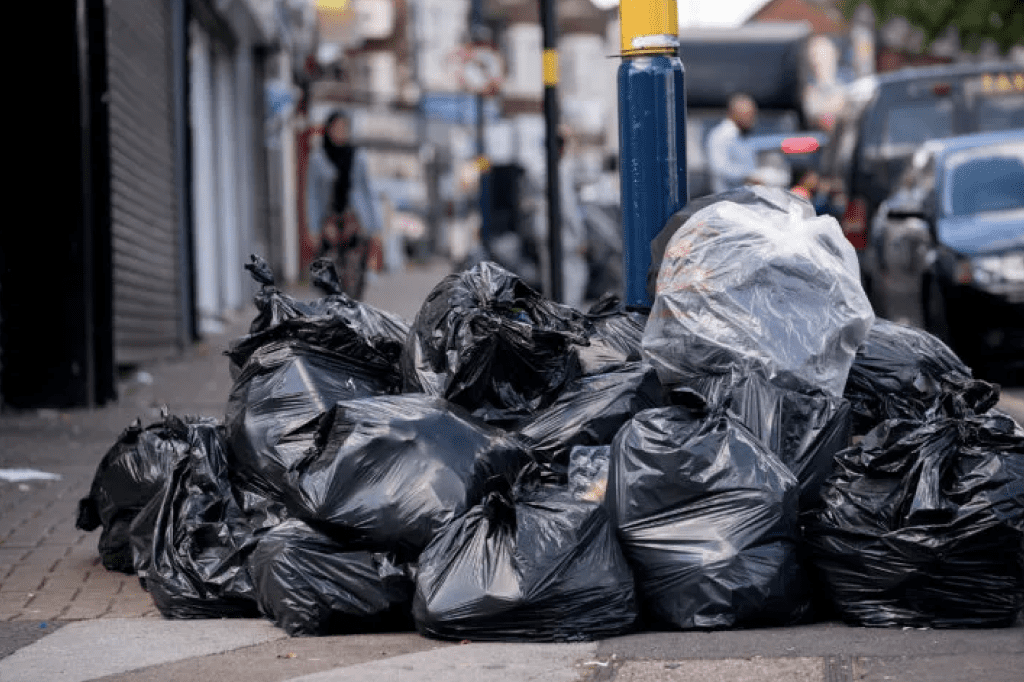
By the end of day one, you’d see overflowing household bins in boroughs like Camden, Lambeth, and Hackney. Dog walkers dodge bin bags spilling onto the pavement. In apartment blocks and estates, communal bins are the first to overflow.
🗑️ London households generate an estimated 3.6 million tonnes of waste per year, or about 69,000 tonnes per week.
— Source: London Assembly Environment Committee, 2023
Day 2: Food Waste and Smells Begin to Attract Vermin
By the second day, organic waste—especially from food businesses and homes—is rotting fast.
In summer months, this is when rats, foxes, and seagulls start digging in. In boroughs like Westminster or Southwark, the impact is immediate—where flats have no front gardens, waste is often left directly on pavements.
The British Pest Control Association has long warned about this: London has one of the highest rodent densities in Europe, and even a short lapse in waste control can trigger infestations.
🐀 According to BPCA reports, rats can breed every 21 days, and an unchecked infestation can multiply by hundreds in under a month.
— Source: BPCA – Rat Control in Urban Areas
Restaurants and cafes suffer too. Without commercial waste pick-ups, back-alley bins pile up. Health inspectors start issuing warnings, and complaints rise.
Day 3: Streets Become Obstructed and Dangerous
By day three, it’s no longer just about smell or hygiene. London’s narrow pavements—especially in inner zones like Soho, Notting Hill, or Bethnal Green—begin to physically fill with rubbish.
Imagine trying to push a buggy, walk with a cane, or cycle past growing heaps of black bags, broken furniture, and takeaway cartons. Trip hazards increase, blocked pavements force pedestrians onto busy roads, and illegal dumping rises.
At this point, the London Fire Brigade might also raise concerns. Waste blocking stairwells or access ways becomes a fire hazard.
🔥 In 2022, London Fire Brigade responded to over 750 fires linked to waste or rubbish accumulation.
— Source: London Fire Brigade Fire Data
Day 4: Hospitals, Care Homes and Schools Begin to Suffer
By the fourth day, essential services are affected. Hospitals, schools, and care homes generate waste that must be removed daily—especially medical waste.
Most clinical waste is handled separately by specialist providers, but general rubbish still piles up: food wrappers, PPE, packaging. At this stage, facilities without contingency plans may start reducing operations or enforcing visitor limits.
NHS Trusts rely on external contractors for much of their waste collection. If even one of those services is disrupted, it risks patient and staff health.
🏥 A 2023 NHS report estimated that over 1,500 tonnes of general waste is produced weekly across Greater London’s NHS facilities.
— Source: NHS England Greener NHS Waste Report
Day 5: Fly-Tipping Explodes Across London’s Green Spaces
By day five, many residents give up waiting for regular collections—and turn to illegal dumping.
Fly-tipping, already a chronic problem in areas like Croydon, Enfield, and Barking & Dagenham, spikes dramatically. Bags are dropped in alleyways, mattresses tossed near parks, and appliances left by roadside skips.
Rogue waste collectors (often uninsured and unlicensed) seize the moment, advertising cheap “clearance” services—only to dump the waste illegally.
📉 In 2022/23, London councils recorded over 387,000 fly-tipping incidents. That’s more than 1,000 per day on average.
— Source: DEFRA Fly-Tipping Statistics, 2023
In five days of service suspension, that figure could double.
Day 6: Public Health Warnings Begin
Six days in, the city smells. Overflowing bins release methane and bacteria, and hot weather accelerates decomposition. The risk of foodborne illness rises. Children playing in parks are exposed to rubbish.
Local councils begin issuing public health warnings, especially in neighbourhoods near water—where rubbish enters drains and rivers.
Thames Water has previously warned about the dangers of uncollected urban waste contributing to blockages and contamination of the water system.
🌊 Thames21, a waterway charity, found that over 80% of plastic waste in London rivers comes from land-based litter and waste mismanagement.
— Source: Thames21 Litter Survey
Day 7: The City Starts to Shut Down
By the seventh day, chaos ripples across London’s economy.
- Restaurants, pubs and cafes are closing due to hygiene complaints or lack of storage.
- Offices and shops are inundated with packaging and delivery waste.
- Construction sites halt work due to debris accumulation and blocked access.
- Tourists complain, and negative media headlines damage the city’s image.
London—renowned for its public spaces, commerce, and vibrant neighbourhoods—feels overwhelmed by a simple yet catastrophic absence: no rubbish collection.
The Real Cost: Rubbish Removal Is Not Optional
While this scenario is hypothetical, its foundation is real. We’ve seen short-term local strikes or delays cause panic, like:
- The 2011 Brighton bin strike, where waste piled for weeks.
- Paris in 2023, where 10,000+ tonnes of rubbish were left uncollected during protests.
- Glasgow in 2021, where public health officials warned of serious hygiene threats during a workers’ strike.
London is bigger, denser, and more complex. A full system shutdown—even for a week—would cost the city millions in clean-up, tourism losses, and health damage.
💷 According to the Greater London Authority, the cost of illegal dumping and street cleaning exceeds £50 million annually—even with functioning waste services.
— Source: London.gov.uk Waste Management Facts
What This Means for You
Most people won’t think about waste services until they stop. But this thought experiment makes one thing clear: professional rubbish removal companies are critical to keeping London clean, safe, and livable.
At Same Day Waste Removal, we work alongside councils, landlords, businesses, and private homeowners to make sure London’s rubbish never has a chance to pile up.
Whether it’s a same-day sofa collection, full kitchen removal, loft clearance, or garden waste job, our teams are available 7 days a week—because we know how fast things can go wrong when waste is left too long.
Conclusion: A City Held Together by Bins
It’s easy to take services like rubbish removal for granted. But behind every clean pavement, functional business, or tidy garden is a network of workers, vehicles, logistics teams, and recycling centres doing their job quietly and efficiently.
If you ever wonder what London would look like without them… well, now you know.
So next time you see a clearance crew loading up a van, give them a nod. Because a clean, safe, and functioning London depends on it—every single day.