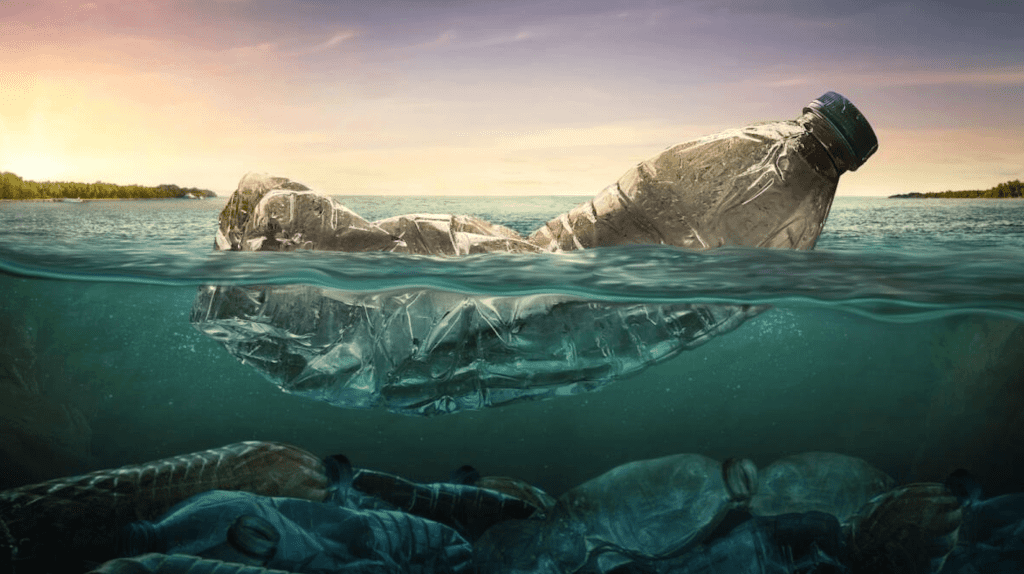
Plastic is woven into our everyday lives — from supermarket bags and coffee lids to food wrappers and takeaway containers. Yet the environmental damage it causes, from litter-strewn beaches to microplastics in our food, has pushed Britain to aim high: a future free of single‑use plastics (SUPs).
But is this goal realistic? Let’s look at how far Britain has come, the obstacles ahead, and why the effort is worth it.
What Are Single‑Use Plastics?
Single‑use plastics are products made to be used once and then thrown away — like straws, cutlery, polystyrene trays, wet wipes, carrier bags, and endless packaging. In Britain, these items account for more than two‑thirds of all plastic waste, much of it from fast‑moving consumer goods and food packaging.
The UK’s vision is to eliminate SUPs through a mix of laws, industry cooperation, consumer behaviour change, and innovation, in line with global moves like the EU’s Single‑Use Plastics Directive.
Britain’s Policies So Far
Carrier Bag Charges
Since 2015, England has charged for single‑use carrier bags — first 5p, then 10p. This led to a staggering 97% drop in their use within a few years. Similar policies exist in Scotland, Wales, and Northern Ireland.
Bans on Certain Items
England banned plastic straws, stirrers, cotton buds, plates, cutlery, and polystyrene containers from 2023. Scotland and Wales have similar bans, and Northern Ireland is catching up under a UK‑wide framework.
The UK Plastics Pact
More than 140 businesses have joined forces in the UK Plastics Pact to eliminate so‑called “problem plastics” by 2025. So far, they’ve removed billions of unnecessary plastic items from circulation.
How Viable Are Britain’s Targets?
What’s Working
The carrier bag levy shows how quickly behaviour can change when incentives are clear. Use of single‑use bags dropped by over 90% within months. Retailers have also eliminated most PVC and polystyrene packaging.
The Sticking Points
Yet some plastics, like film wraps and salad covers, still have no affordable alternatives. Recycling infrastructure is patchy, with inconsistent standards making it hard for consumers to know what’s recyclable. And enforcement has been weak — Scotland, for example, hasn’t issued any fines for breaches of its take‑away plastics ban.
Switching to reusable systems also costs businesses upfront, which can be challenging for smaller firms. They’re also calling for uniform rules across all UK nations and the EU to avoid confusion and extra costs.
The Biggest Challenges
- Recycling gaps: Black plastics and multi‑layer packaging are hard to recycle, and systems need updating.
- Regulatory misalignment: Different rules in England, Scotland, and Wales make compliance costly and complicated.
- Cost of change: Investing in reusable systems and infrastructure can be a big burden on small businesses.
- Weak enforcement: Without clear penalties, some businesses flout the rules.
- Unintended consequences: Alternatives like paper or cotton can have bigger carbon footprints if not reused enough.
Why It’s Worth It
Environmental Impact
Plastic bans have already improved marine habitats, reducing litter and the microplastics entering our food chains.
Carbon Savings and Circular Economy
Shifting to reusable systems cuts carbon emissions and waste. The Ellen MacArthur Foundation estimates that replacing just 20% of SUPs with reusable alternatives worldwide could deliver huge environmental gains.
Public Support
Most people back these changes. The bag levy success has shown Britons are willing to adapt when given clear options.
Innovation
Bans have spurred innovation — from bio‑based materials to refill‑and‑reuse schemes — creating opportunities for new businesses and research.
What More Can Britain Do?
To reach its goals, Britain needs a clear, coordinated strategy:
✅ Set firm deadlines for banning problematic plastics and hold industries accountable.
✅ Improve recycling systems and invest in composting facilities for bioplastics.
✅ Support businesses — especially small ones — with grants, tax breaks, and guidance for switching to reusable systems.
✅ Harmonise rules across the UK and align with EU standards to simplify trade and compliance.
✅ Strengthen enforcement — give authorities resources to audit and fine where needed.
✅ Educate the public — campaigns, better labelling, and school programmes can make sustainable choices easier.
✅ Monitor for unintended consequences — ensure alternatives really do benefit the environment.
✅ Work with global partners through initiatives like the UN Plastic Pollution Treaty to lead on international solutions.
Learning from Others
Other countries offer useful lessons. Ireland’s bag levy cut use by 90% almost overnight. Meanwhile, California’s thin‑bag ban backfired when consumers simply switched to thicker “bags for life” — which were seldom reused enough to offset their bigger environmental impact Wikipedia.
The EU’s 2021 directive banning SUP items complements Britain’s approach, helping UK businesses trade smoothly across Europe Wikipedia.
What’s at Stake?
If Britain fails to meet its targets, plastic pollution will continue to damage oceans, wildlife, and food systems. It would also undermine the UK’s reputation as a climate leader and stifle innovation in green industries.
Conclusion: Is a Plastic‑Free Future Possible?
The UK has already proven it can deliver — carrier bag use is down by more than 90%, billions of plastic items have been removed, and public support is strong.
But the next phase will require more ambition, better enforcement, and consistent, UK‑wide policies. Businesses need help to innovate, and consumers need clear, affordable alternatives. Rubbish removal services also play a key role, working in partnership with the government to prevent fly-tipping and promote responsible waste disposalBritain has the tools, the public will, and the momentum. A life without single‑use plastics is within reach — but only if everyone, from government to shoppers, plays their part.
With collective effort, Britain could set an example to the world, proving that sustainable, circular living isn’t just a dream — it can be the norm.